Monday, March 28, 2016

The Early Bird Gets the Bookworm


Everyone has heard of the wise old saying, "the early bird gets the worm." With Spring officially sprung, this blog is going to highlight the benefits of bringing children into the library. 

                  Children Learn the Concept of Sharing


    • The library is one of the first places children learn how to properly borrow materials. Children learning that library books belong to everyone in the community is an invaluable skill to show how to handle books with respect, and returning them on time and in the correct place.  

             Community Involvement and Connection


    • With libraries hosting children's story time, this is a great way for children to learn how much fun community involvement is. By gathering in a circle and listening to stories alongside their peers, children learn how to get along with others and meet new people in the community

                      Multicultural Experiences


    • Libraries expose children to a plethora of cultures, both in the patrons it serves and the books it contains. Children can go to the library and read a book about the country of Chile, while sitting by and interacting with other children of different racial, social, and economic backgrounds. These experiences teach children how to get along and respect everyone regardless of personal backgrounds. 

Lifetime of Intellectual Freedom and Imagination


    • Children learn in the library about the priceless value education and intellectual freedom truly is. Not only is the acquisition of knowledge invaluable, but also the ability to dream and imagine in the library  is limitless. Children can read a book, and then utilize library materials to draw a picture and expand on what they have learned. This safe zone allows children to explore worlds and possibilities that may not be available to them as readily in their home or school environment. 

Thursday, March 24, 2016

What's So Special About Being a Special Librarian?

If you’re not really sure what special libraries are, here is a good starter definition – they are essentially libraries or information centers within corporations, private businesses, government agencies, museums, colleges, hospitals, associations, etc. 

I can’t sum up an entire course worth of information on special librarianship for you, but I did want to let you know that amazing jobs in nontraditional library settings are out there, and give you a broad overview of some helpful resources.


If you are even the tiniest bit interested in a nontraditional library job, you should look into a student membership with the Special Libraries Association, or SLA — If you’re interested in going to the annual conference, it is WELL worth it. Here are some of SLA’s resources I have found invaluable:
  • My SLA annual and MLW conference experiences. At SLA annual, I met librarians who worked for Target, the Department of Transportation, the European Union — you name it. I truly couldn’t believe some of these positions existed.


  • SLA Divisions — There are so many divisions to choose from! Many of the division pages contain excellent resources,and browsing these is a great way to get to know some of the unique positions out there. Also, each of the divisions have a special dynamic and many awesome librarians to network with! In SLA, you are not alone, even if you’re a solo librarian.


So, do you want to be a special librarian? Here is my ultimate tip. After you have done your research about what types of positions interest you, try to find an internship in that kind of position. While it is possible to get a job based on your other library experiences (transferable skills!), having even a little bit of experience in that position will make a world of difference, especially in more difficult to obtain positions.  This is where networking can really help you, so don’t be afraid to contact special librarians! Being a member of SLA is a huge icebreaker, but there are definitely other ways to get in touch — Twitter, for example.

Do you work in a special library? Please share what you do and how you got there! Do you have any other great resources to add to our list? If you’re a student, do you have questions about special libraries, or any of our personal experiences? We’re happy to answer whatever we can, and we’ll find answers to the questions we don’t know!

Tuesday, March 22, 2016

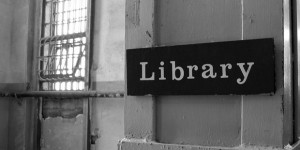
Prison Libraries

Prison Libraries are a Positive Light


Public libraries have a huge mission, to provide information and intellectual access to their public. So this means that library access does not just extend towards patrons with access to the physical location of the library itself, but also to patrons who are unable to utilize the library in the freedom it has. 

Prison libraries are a touchy subject to all key players in the conversation, be that the librarians, tax-payers, law makers, and prisons themselves. All of these previously mentioned characters in this story, in addition to those not mentioned, have their own stake in this discussion, each with an extremely valid argument as to why their stance on prison libraries is correct. Since this is a library-based blog, I am going to write in the context of why libraries are supportive of prison libraries, and how their services benefit the inmates both in the present, and future contexts. Below are some key points as to why prison libraries are helpful both the prisoners, but also their communities. 

Background Facts


  • In 2010, over 2.25 million American adults were incarcerated. 
  • With this above number being so staggeringly high, the American Library Association believes it is libraries across the nation's duty to "encourage public libraries and systems to extend their services to residents of jails and other detention facilities within their taxing areas."
  • Providing library service to inmates and those returning from prison is fulfilling the democratic mission of the public library because it allows “a wholly segregated group of people” access to information that most Americans take for granted.
Rehabilitation Services


  • The outstandingly high number of Americans incarcerated also suggests that there are a lot of current inmates, who are not sentenced to life-long jail terms, meaning that they expect to be released from jail in a relatively short amount of time. 
    • The use of prison libraries, therefore, can provide these inmates with opportunities to learn of opportunities available to them, via educational training, job resources, and simply, rehabilitation material they can utilize to ensure that they do not return to jail at a future time. 
Libraries are Safe Zones


  • A library is considered by most, if not all patrons as a safe zone. A prison library acts in the same way. Each inmate is treated with dignity and respect, and is not denied access to intellectual material, but rather, is encouraged to explore all avenues of the library. 
  • This stance the library holds takes the attitude of changing the prisoner's life in a positive way, because they are allowed to believe they are worth something, and empowered to start making a difference in their lives through library materials. 
Reintegration and Outreach


  • Studies show that 95% of inmates will return to their same community once they are released from prison. This means that these inmates will often be exposed to the same people, places, and things that landed them in jail in the first place.
  • By having public libraries do outreach in cooperation with local prisons, this spark of communication could lead prisoners to their community library, rather than back into the slump of bad decisions. 
  • This concept of "reintegration" is crucial to prisoners becoming productive members of society, as well as having a further connection of services that local public libraries can provide.